Why Sesh Shatter Joints Are Worth Your Time
There is a moment when you first crack a piece of shatter. The glass-like snap, the way it fractures into translucent shards. For anyone who has spent time around cannabis concentrates, that sound is familiar. Shatter has been a staple of the concentrate world for years. It is stable, potent, and versatile. But lately, more people are asking how to fit it into a session without always reaching for a rig. This is where the idea of a sesh shatter joint comes in.
A sesh shatter joint is simply a joint that includes shatter as part of the fill. You can roll it with flower and thin strands of shatter, or you can crumble the concentrate into the tobacco or herb blend. The result is a slow, even burn that adds a serious layer of potency and flavor. It is not a new invention, but it is one that has gained traction among people who want the convenience of a joint with the punch of a dab.
I have rolled a few of these myself. The first time I tried it, I was skeptical. Would the shatter burn evenly? Would it clog the joint? After some trial and error, I found that it works best when you spread the shatter in thin, even ribbons along the length of the rolling paper. A crutch at the tip helps keep the draw smooth. And a slow, steady flame from a torch or a lighter is better than a quick burn. The key is to let the joint smolder rather than char.
What Makes Shatter Different
Shatter is a type of concentrate that sits somewhere between a liquid and a solid. It is made by extracting cannabinoids and terpenes from cannabis plant material using a solvent, then purging that solvent to leave behind a glassy, amber substance. The texture is hard and brittle at room temperature, but it softens with warmth. This makes it easier to handle than runny cannabis oil or sticky wax.
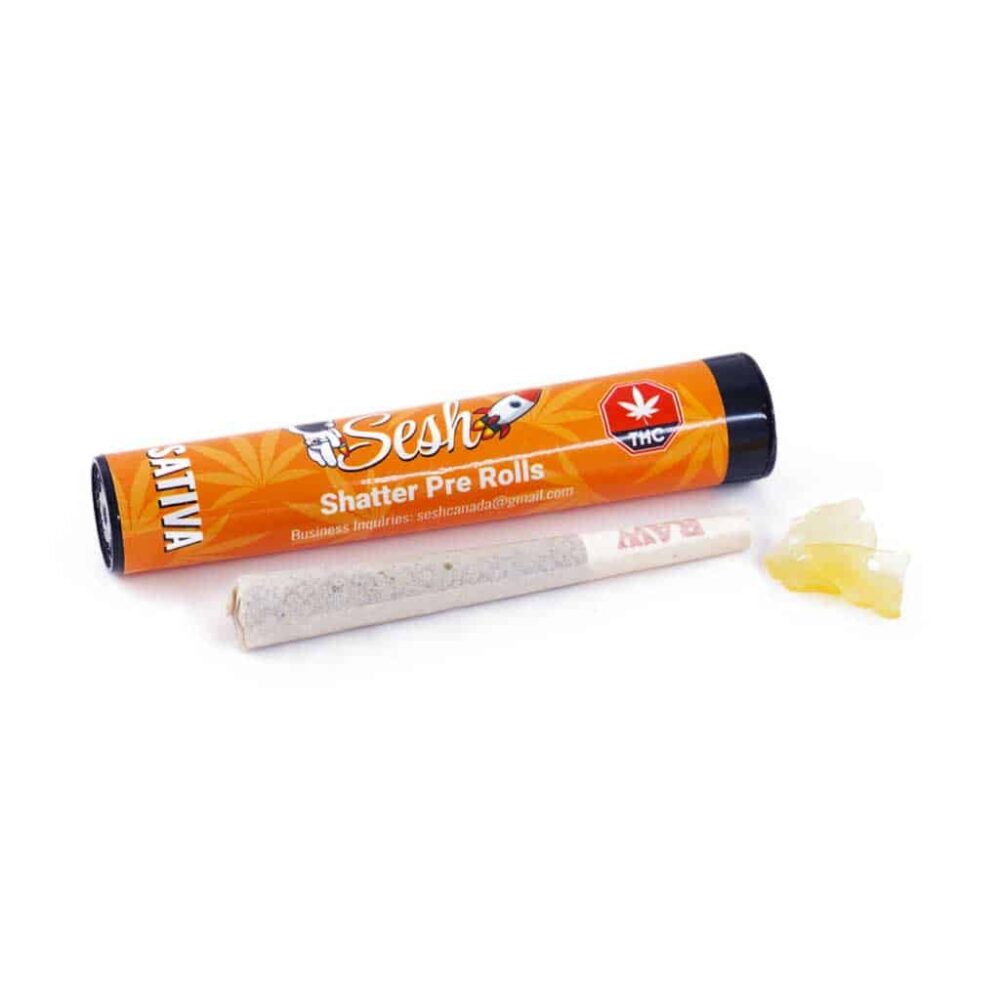
Compared to other concentrates like budder or live resin, shatter has a distinct profile. Budder is whipped and creamy, almost like butter, which makes it great for spreading but harder to roll into a joint. Live resin captures more of the fresh plant’s terpene profile because it is made from freshly frozen material, but it is often more expensive and less stable. Shatter sits in the middle: it is affordable, shelf-stable, and easy to portion out for a joint.
There is also the question of extraction method. Shatter is commonly produced through hydrocarbon extraction using butane or propane, resulting in what is known as BHO (butane hash oil). Some producers use CO2 oil methods, which yield a cleaner product with fewer residual solvents. Solventless extraction, on the other hand, uses only heat and pressure to separate the oils, producing things like rosin. Each method affects the final texture and flavor. For rolling joints, BHO shatter is a common choice because it holds its shape well.
Rolling Technique
If you want to try a sesh shatter joint at home, start with a medium grind of your favorite flower. Flatten a small piece of shatter between your fingers until it is a thin, pliable ribbon. Lay it along the center of your rolling paper, right on top of the flower. You can also fold the shatter into the middle of the joint so it is surrounded by plant material on all sides. This prevents the concentrate from dripping out during the burn.
Some people add a small amount of wax or budder on top for a layered effect. That works, but it can make the joint burn unevenly. I prefer to stick with one type of concentrate per joint. A single ribbon of shatter, about the size of a grain of rice, is enough for a standard joint. If you use too much, the joint will run and waste the concentrate.
Once the joint is rolled, pack it firmly but not too tight. A loose pack allows air to flow and keeps the shatter burning. A tight pack will restrict the draw and cause the joint to canoe. A good crutch or filter tip at the mouth end helps keep the structure stable. Use a crutch that is rolled tight enough to filter out any small bits of shatter that might pull through.
Dabbing vs. Joints
There is a debate in the concentrate community about whether shatter is better suited for dabbing or for joints. Dabbing involves heating a banger or an e-nail to a high temperature, then applying a small amount of concentrate. The vapor is inhaled through a water pipe. This method is efficient and delivers the full flavor profile of the terpenes. But it requires equipment: a torch or an e-nail, a banger, a carb cap, and often terp pearls to help distribute the heat. For many people, that setup is too much for a quick session.
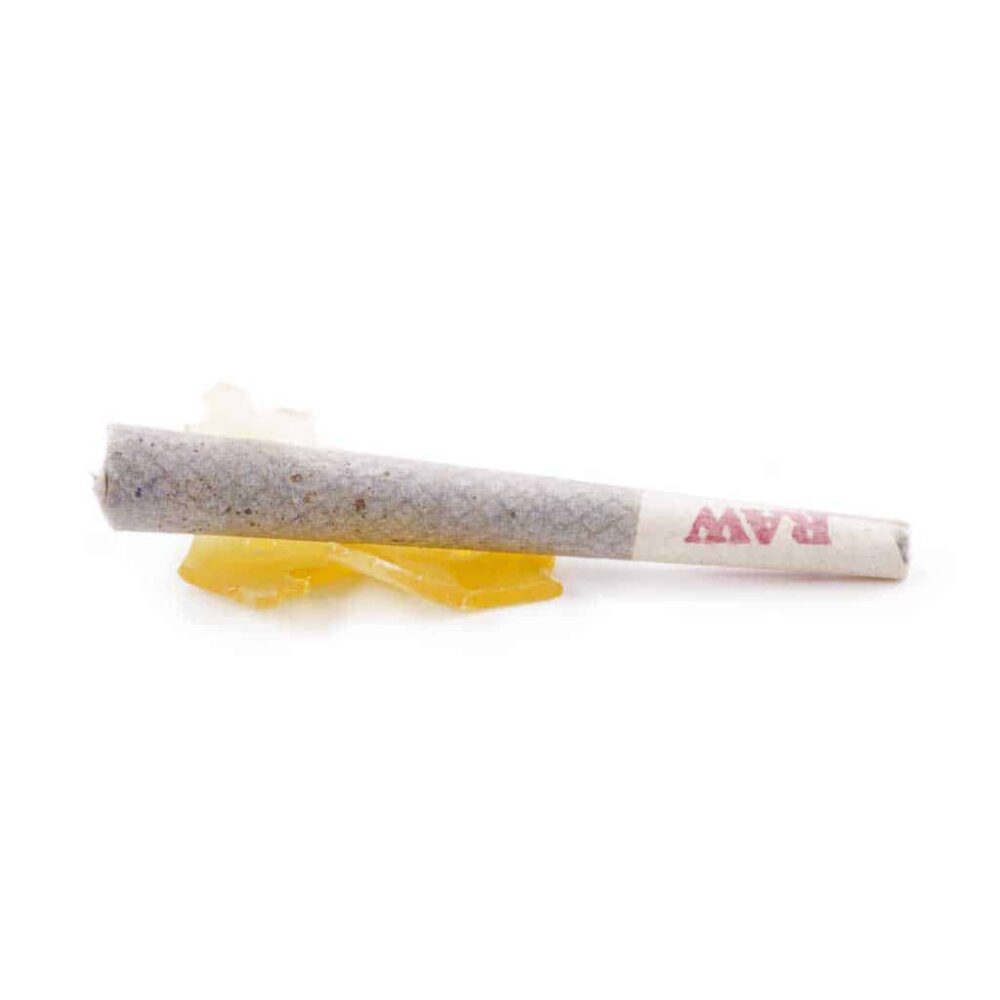
A joint, by contrast, is portable and familiar. You can roll it in advance, carry it in a case, and light it whenever you want. The trade-off is that you lose some of the flavor nuance. The joint’s burning paper and plant material mask the subtler notes of the concentrate. But if you are after a strong, long-lasting effect, the joint holds its own. The slow burn releases the cannabinoids gradually, giving a more sustained experience than a quick dab.
I have friends who swear by dabbing for the flavor. They argue that a good live resin or budder deserves to be sampled on a clean quartz banger with a low-temp dab. I agree, for some concentrates. But shatter, with its more neutral flavor profile, actually performs well in a joint. It adds potency without overpowering the taste of the flower. That makes it a good choice for a shared session where you want everyone to feel the effects without needing to pass around a rig.
Practical Tips
If you are new to rolling joints with concentrate, here are a few things I have learned:
- Use a thin, even ribbon of shatter and place it in the center of the joint. Do not clump it.
- Choose a rolling paper that burns slowly. Thicker papers handle the extra moisture from the concentrate better.
- Grind your flower coarsely so the air can move through the joint. Fine powder will clog the draw.
- Store your shatter in a cool place. If it gets too warm, it becomes sticky and hard to handle.
- If the joint runs unevenly, pinch the part that is burning faster to slow it down.
These are small adjustments, but they make a difference. The goal is to enjoy the enhanced potency without fighting the burn.
Why It Matters
The rise of sesh shatter joints reflects a broader trend in cannabis consumption. People are looking for ways to combine the convenience of joints with the strength of concentrates. Instead of choosing between a joint and a dab, you can have both in one. This is not about replacing dabbing or vaping. It is about expanding the options for when and how you use shatter.

I have noticed that the people who enjoy these joints the most are often those who already have some experience with concentrates. They understand that shatter is not as flavorful as live resin, but they value its stability and potency. They are willing to trade a bit of flavor for a session that lasts longer and hits harder. There is a place for both approaches.
Ultimately, the best way to use shatter depends on your priorities. If you care about terpene preservation and temperature control, stick with a rig. If you want something you can roll and share without a lot of gear, a sesh shatter joint is a solid choice. It is not about which method is superior. It is about having the right tool for the moment.